

How it works
How We Run Your Bid Department
From onboarding to opportunity sourcing, estimating, proposal development, submission, and follow-up — every client moves through the same managed process.
Behind every SMC bid department is BidEngine, the proprietary operating system our team uses to manage opportunities, requirements, pricing, submissions and results. You don't have another piece of software to manage. We operate it for you. We source across multiple platforms, portals, and procurement sources, then run everything through one process so nothing depends on who happens to check an inbox that week.
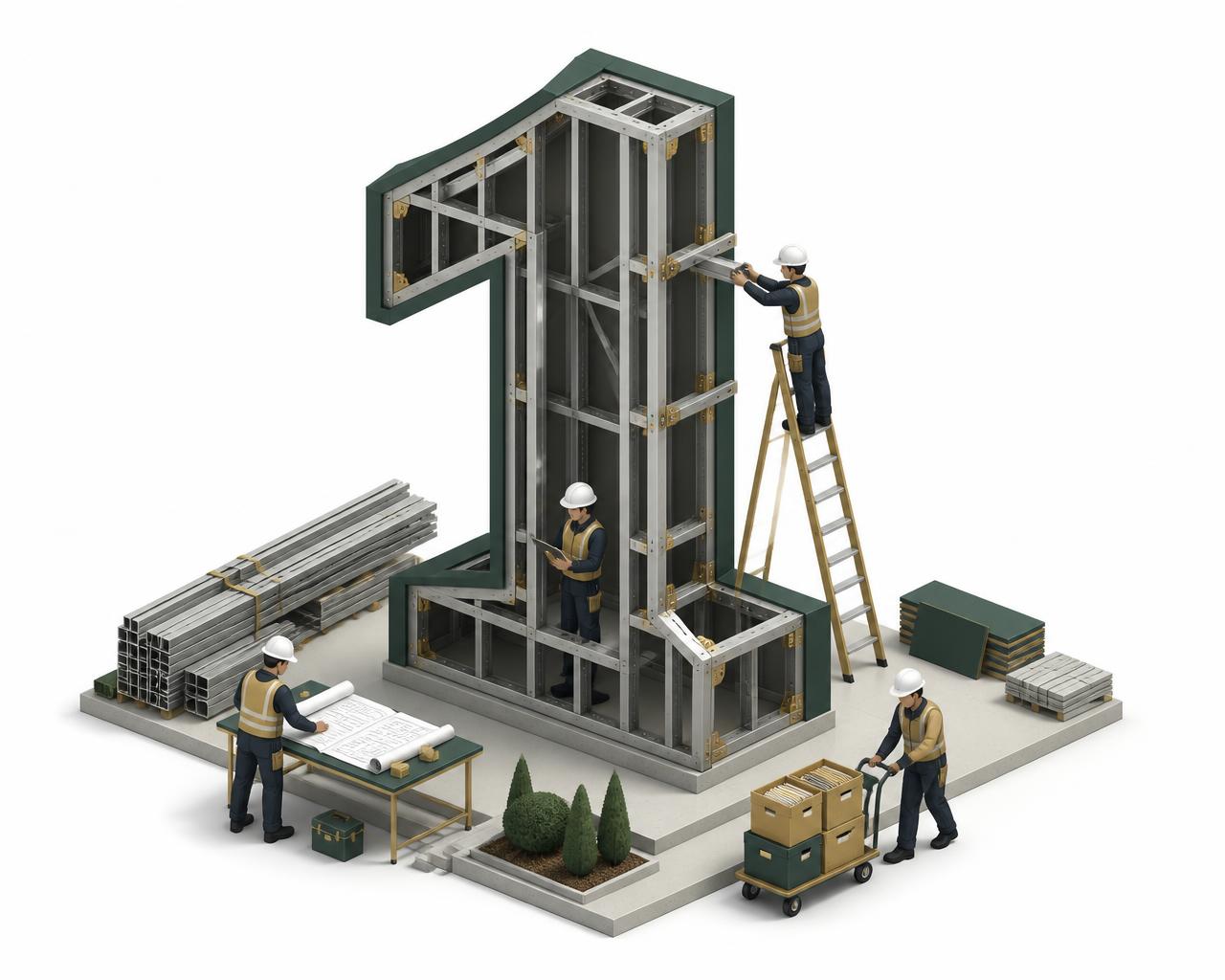
We learn your business
This is the setup phase. Before a single bid gets sent your way, we learn how you actually operate.
- Trades and capabilities
- Geography
- Project size
- Bonding and insurance
- Certifications
- Crew capacity
- Pricing process
- Past performance
- What you want to bid
- What you absolutely do not want to bid
We don't start throwing random bids at you.
We build your bid profile
We organize everything we'll need repeatedly so nothing gets rebuilt from scratch at 11pm the night before a deadline.
- Company information
- Past projects
- References
- Resumes
- Licenses
- Insurance
- Certifications
- Proposal assets
- Capability information
- Standard forms
This is where BidEngine, our proprietary operating system, gets configured around your company.

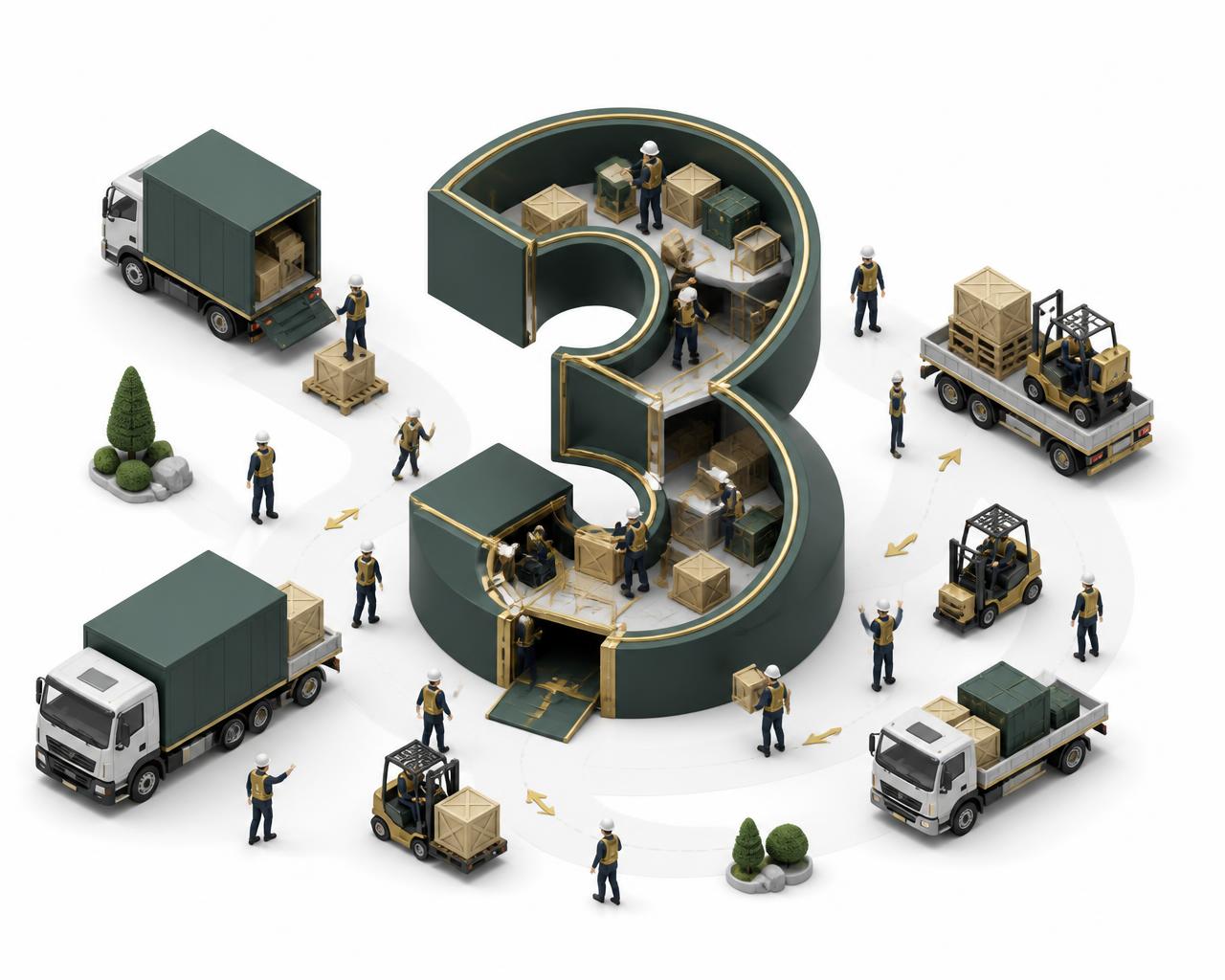
We source the work
We don't wait for bids to land in your inbox. Our team searches across multiple sourcing platforms and procurement sources every week, and everything funnels into BidEngine.
- Government opportunities
- Municipal work
- State opportunities
- Commercial opportunities
- Prime contractor opportunities
- Vendor portals
- Bid boards
- Direct procurement sources
Sourcing is the pain point most contractors never solve. It's the core of what we run for you.
We decide what's worth bidding
The GO / NO-GO layer. Every opportunity gets reviewed against your profile before it costs you a single estimating hour.
- Fit
- Scope
- Deadline
- Location
- Capacity
- Bonding
- Past performance
- Competition
- Requirements
- Potential contract value
More bids isn't the goal. Better pursuits are.
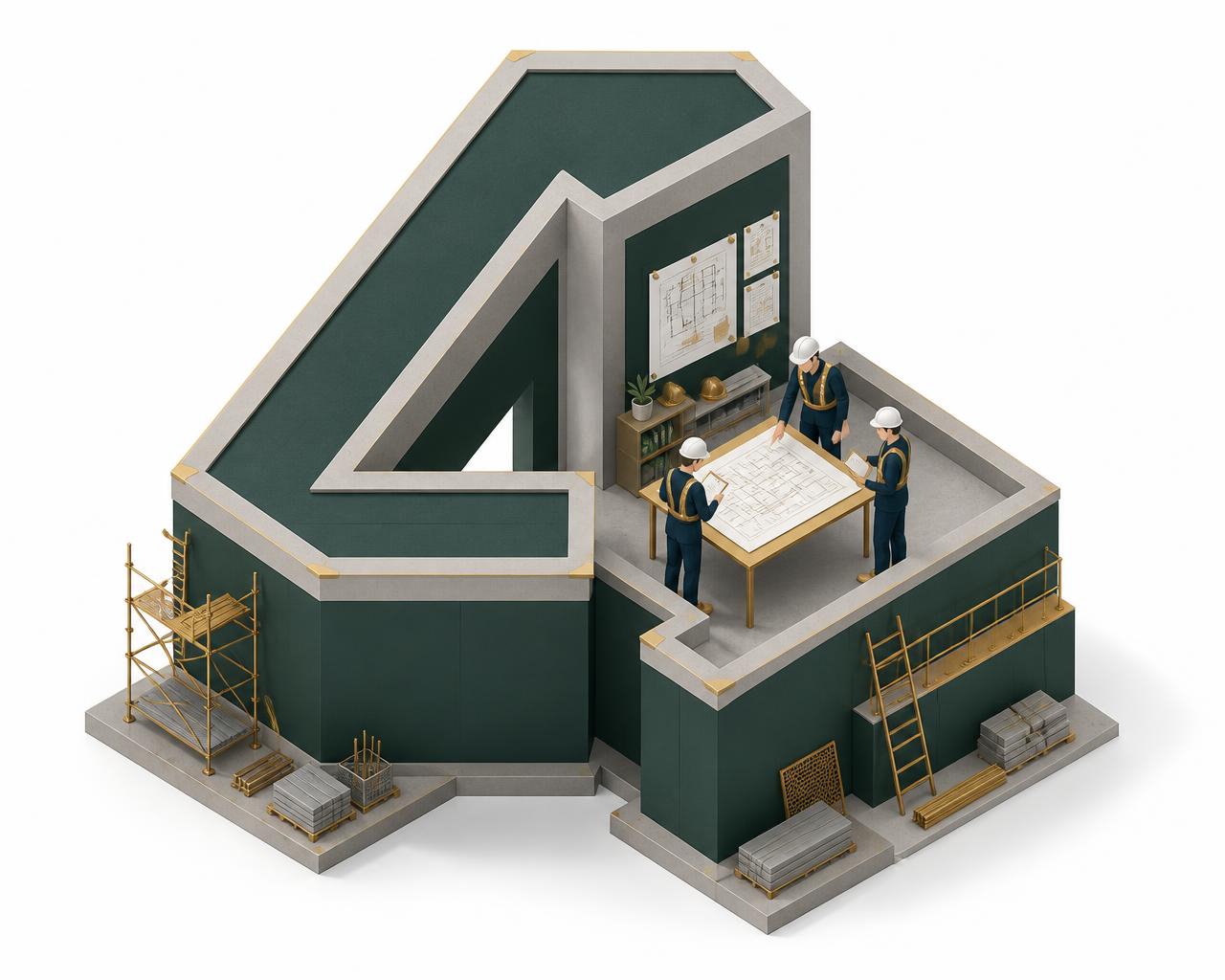
We build the bid
This is the workload that comes off your plate.
- Solicitation review
- Takeoffs
- Estimate preparation and coordination
- Sub pricing
- Compliance
- Forms
- Proposal writing
- Supporting documents
We bring the bid 85 to 90% of the way there before we need the owner.
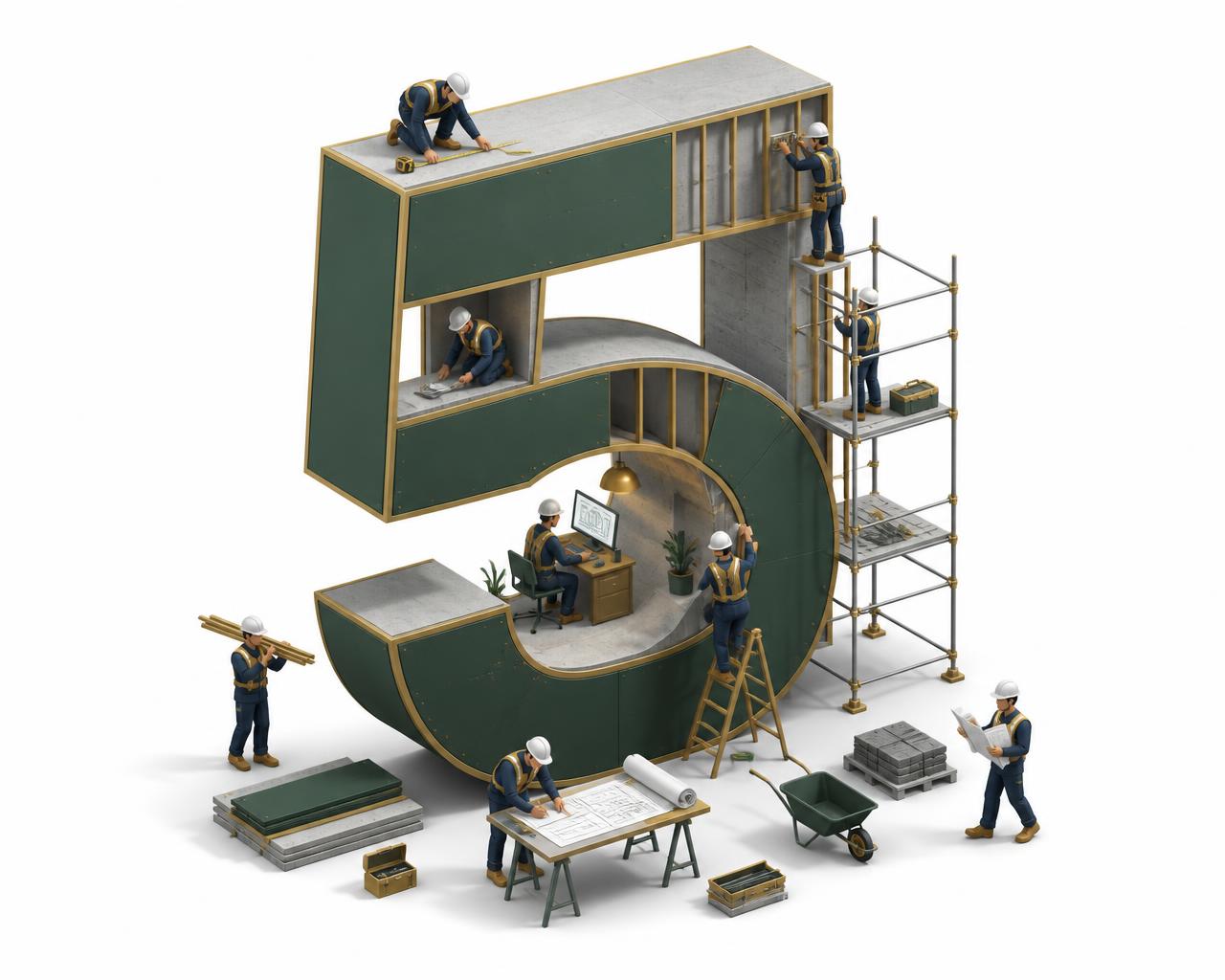
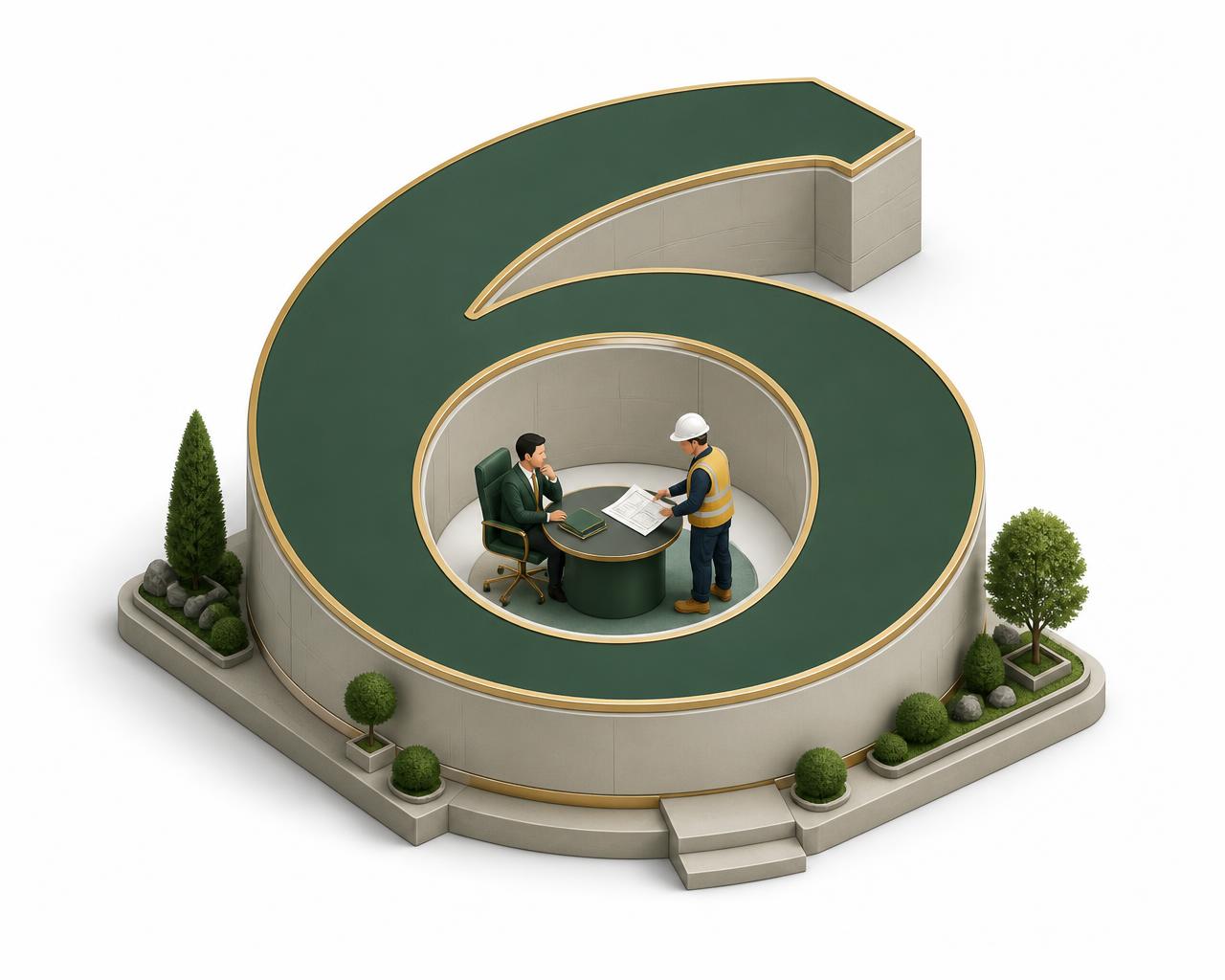
You approve the decisions
Your involvement stays narrow and high value.
- Final pricing
- Technical decisions
- Capacity confirmation
- Risk decisions
- Final approval
That's it. Everything else is on us.
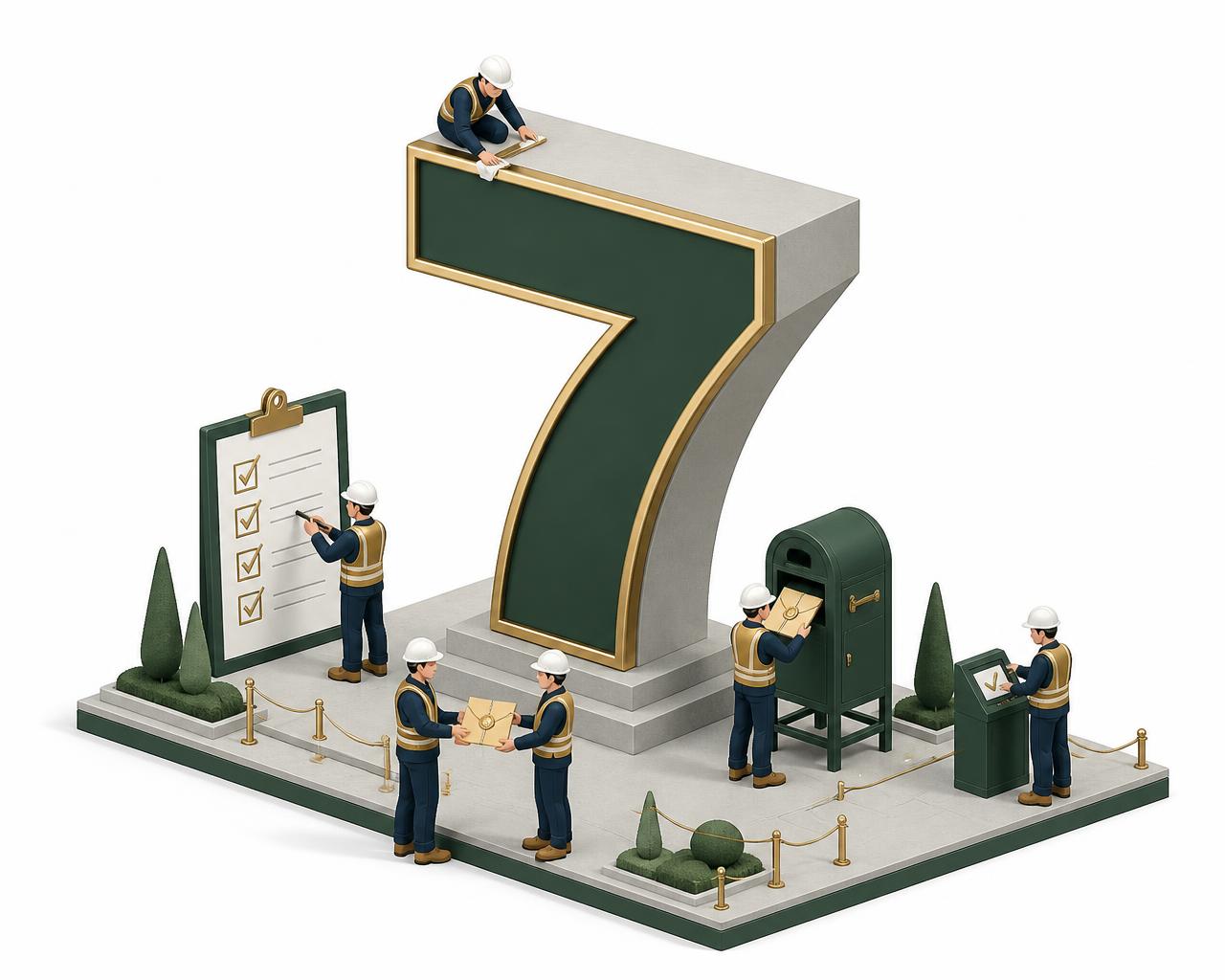
We submit and track it
Submission is where most bids get lost on a technicality. We run the checklist and stay on it after the deadline.
- Final compliance check
- Submit
- Confirm receipt
- Track addenda
- Monitor award activity
- Handle follow-up
- Request debriefs
- Record results
Every bid makes the system smarter
Results feed back into BidEngine, so your pursuit strategy sharpens as the engagement goes on.
- Which agencies fit
- What project sizes work
- Where pricing is strong or weak
- Competitor patterns
- Awards
- Losses
- Bid tabs
- Procurement relationships
Month six should be smarter than month one.
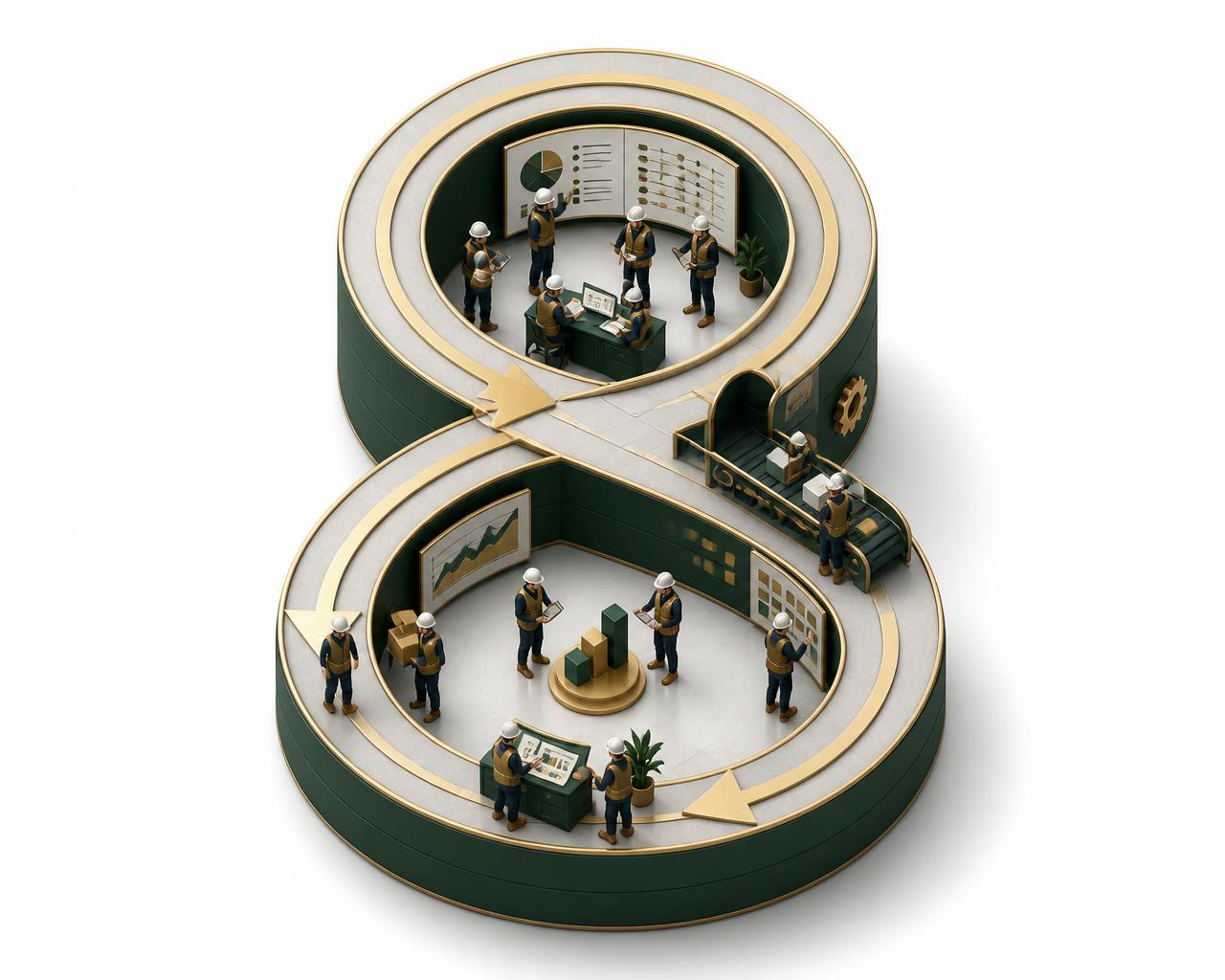
The process
One loop, run every week.
Ready to stop letting bidding limit your growth?
Book a 20-minute strategy call to see what's possible.