
Why Good Contractors Still Lose Jobs
A lot of good contractors are getting buried in bid work right now. Not because they can't do the work. Not because they don't have the crews. And not because the opportunities aren't out there. The problem is volume.
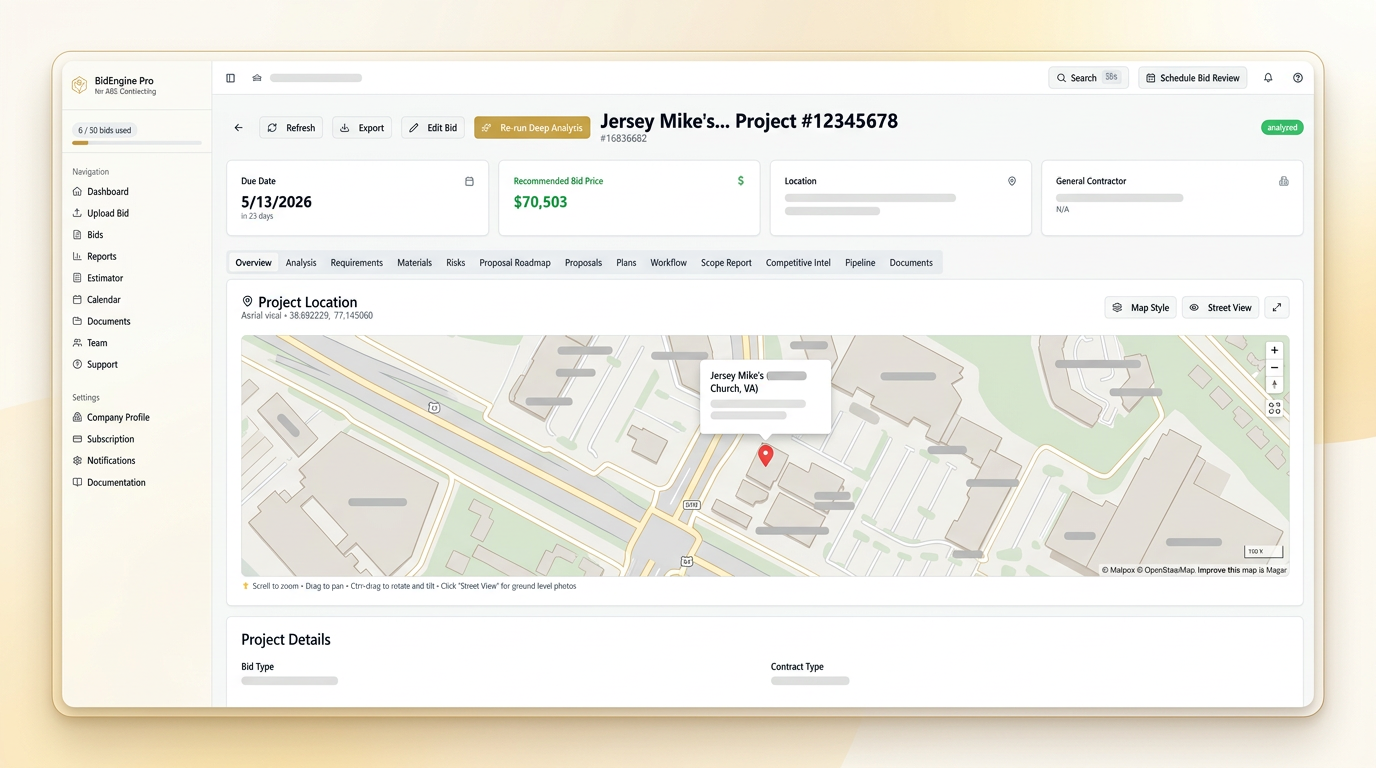
The real problem: volume, not capability
A single commercial bid package can come with dozens of PDFs, specs, addenda, compliance requirements, finish schedules, scope gaps, and last-minute revisions. By the time you finish sorting through everything, another invite is already sitting in the inbox. (See the most common construction bidding mistakes that cause this.) Good opportunities get skipped. Estimators get overloaded. Nights get longer. And jobs that could've been profitable never even make it to submission. Meanwhile, the contractors growing the fastest are often the ones who can review opportunities quicker, make decisions faster, and get more qualified bids out the door without overwhelming their team. For a deeper playbook, read how to win more construction bids.
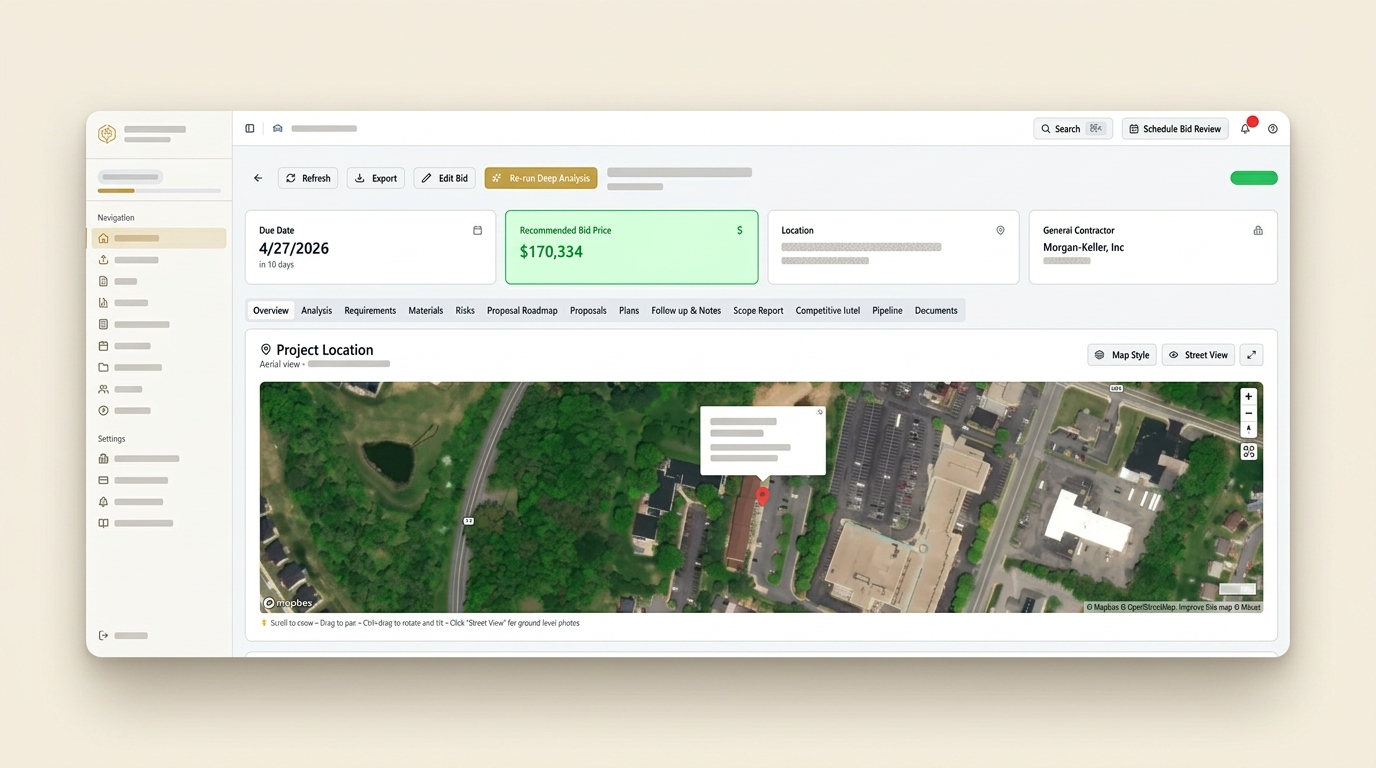
The bottleneck isn't finding jobs
Most contractors already have access to opportunities. The invites are there. The bid platforms are there. The plans are there. The problem is what happens after that. Every opportunity takes time to review — going through plans, identifying scope, checking compliance, looking for missing details, estimating materials, and deciding whether the job is even worth pursuing. That process used to be manageable. Now teams are reviewing more documents, more revisions, more compliance requirements, all with tighter turnaround windows than ever before. While your team is buried reviewing one opportunity, three more are already waiting. That's why a lot of contractors are hitting a ceiling — not because there's no work available, but because there's only so much time in the day to analyze, estimate, and submit quality bids before your team gets overloaded.
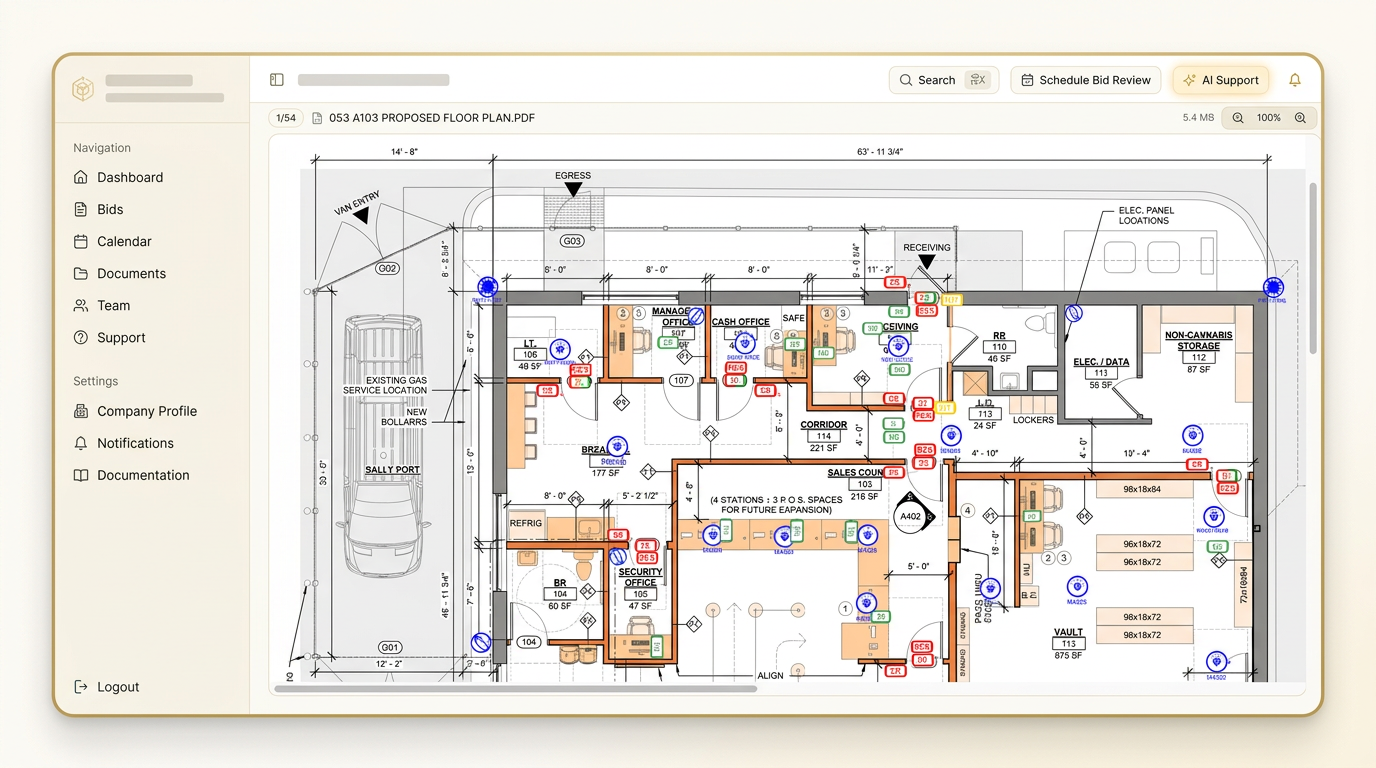
What faster bidding actually looks like
This is exactly the problem BidEngine was built to solve. Instead of spending hours manually sorting through plans, specs, addenda, and scope requirements, contractors can upload their bid documents and get a structured analysis in minutes. That includes scope breakdowns, material quantities, compliance requirements, risk flags, proposal-ready bid information, and pricing guidance based on your trade and service area. The goal isn't to replace your team. It's to help your team review opportunities faster, make better decisions, and submit more qualified bids without getting buried in paperwork. BidEngine is already helping contractors save an average of 27.2 hours per week, and has supported more than $60M in pipeline activity to date. When your estimating process moves faster, your entire business moves faster.
Built for real-world bidding environments
BidEngine was designed for contractors managing high bid volume with lean teams and tight timelines. It supports all 24 CSI divisions, including trades like painting, drywall, roofing, flooring, demolition, electrical, plumbing, HVAC, concrete, and more. Your team can review bids, track opportunities, and stay aligned without paying for extra seats or forcing everything through one estimator's inbox. And if you need support, there's an actual team behind the platform that understands commercial bidding and estimating workflows. No bloated enterprise setup. No outsourced estimating overseas. No complicated rollout process. Just a faster, more organized way to review opportunities and get qualified bids out the door.
Book a walkthrough
If your team is spending more time sorting through bid documents than submitting proposals, it may be worth taking a look at how BidEngine works. Upload the plans. Review the scope. Identify risks faster. Get structured bid information in minutes instead of hours. No pressure — just a chance to see whether a faster bidding workflow makes sense for your team.
Related from BidEngine
Frequently asked questions
Why do good contractors lose winnable bids?
Most lose to bid volume, not capability. The estimating team runs out of hours to fully review every package, so opportunities get skipped or submitted with gaps. The fix is faster, more structured bid review — not more estimators.
How long does it take to review a commercial bid package?
Manually, a single package with plans, specs, and addenda typically takes 6–20+ hours. With BidEngine, contractors upload the documents and get scope breakdowns, material quantities, compliance requirements, and risk flags in minutes.
What trades and CSI divisions does BidEngine support?
All 24 CSI divisions, including painting, drywall, roofing, flooring, demolition, electrical, plumbing, HVAC, and concrete.
How much time do contractors save with BidEngine?
Contractors using BidEngine save an average of 27.2 hours per week and have processed more than $60M in pipeline activity to date.
Do I need a big team to use BidEngine?
No. BidEngine is built for lean teams. There are no per-seat fees, and an in-house support team understands commercial bidding workflows — no outsourced estimating, no complicated rollout.
Keep reading
How to Transition From Residential to Commercial Construction
A practical roadmap for residential contractors moving into commercial construction: licensing, bonding, bidding, and the operational shifts that actually matter.
The Commercial Construction Bidding Process Explained
Every stage of the commercial bid process — from invitation to award — and where most GCs lose time and money.
How to Estimate Commercial Construction Projects Accurately
A step-by-step approach to commercial estimating — quantity takeoffs, pricing, risk allocation, and avoiding the most common mistakes.
Construction Takeoff Software: What to Look For in 2026
A buyer's guide to [construction takeoff software](/construction-takeoff-software) for commercial GCs — features, pricing, and how AI is changing the category.